The 12 Brand Archetypes: A Complete Guide for Marketers
Every brand has a personality, but brand archetypes give that personality a strategic backbone. Rooted in psychologist Carl Jung’s theory of universal characters found in storytelling, brand archetypes help companies define how they show up emotionally, visually, and verbally. Whether you're a daring Rebel, a nurturing Caregiver, or a wise Sage, aligning your brand with an archetype creates consistency, fosters trust, and makes your message stick. In this guide, we’ll explore the 12 classic archetypes and the fictional characters that bring them to life.
1. The Innocent

2. The Citizen
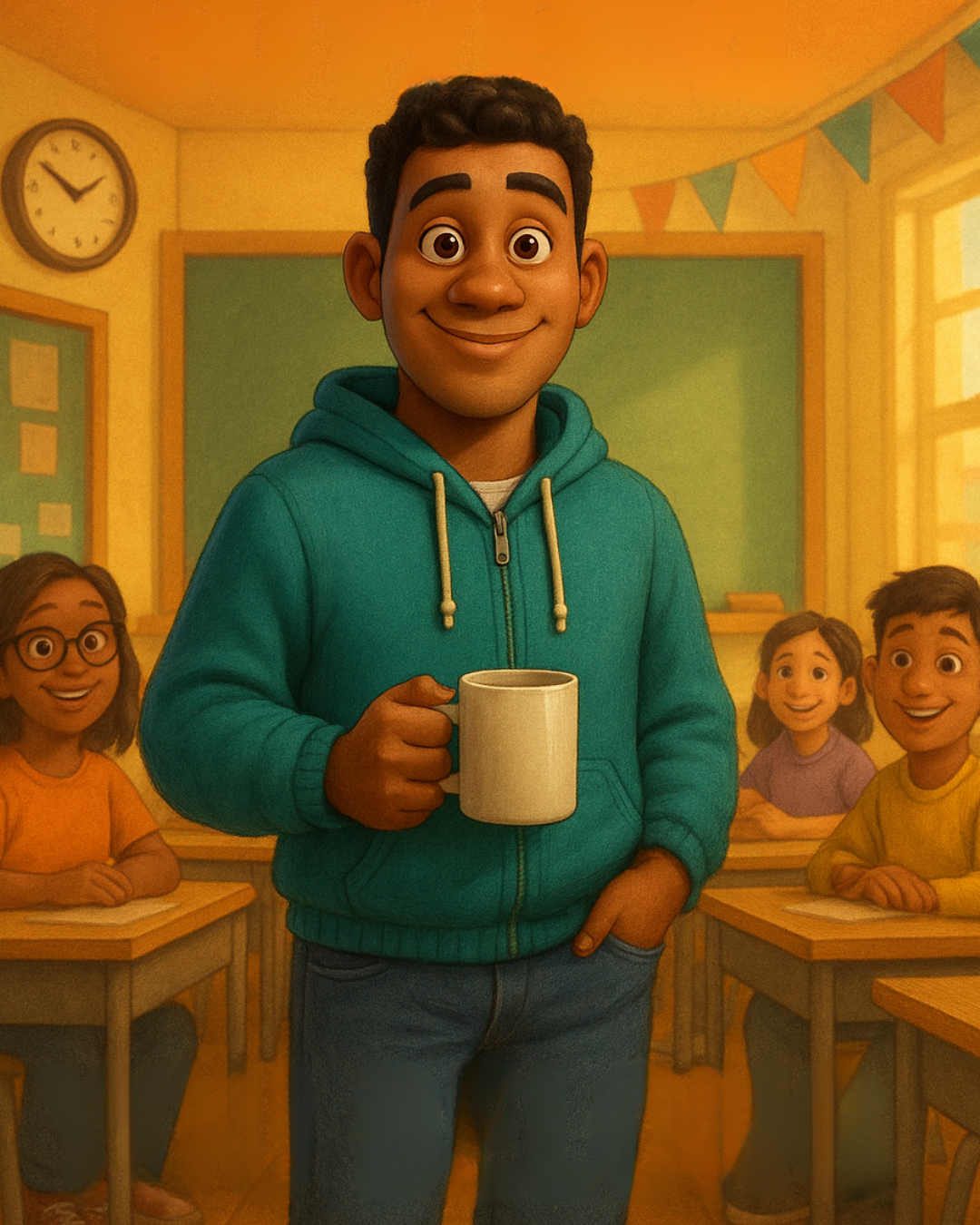
Core Desire: Belonging, connection, down-to-earth authenticity
Voice: Friendly, inclusive, unfiltered
Visuals: Real-life people, communal settings, warm earth tones
How to Apply: Celebrate community stories, relatable struggles, accessible messaging
Examples: IKEA, Home Depot, eBay
3. The Hero

4. The Rebel

Core Desire: Revolution, challenge the status quo
Voice: Provocative, edgy, disruptive
Visuals: Urban, bold typography, contrast
Strategy: Use bold campaigns, question norms, foster rebellion
Examples: Harley-Davidson, Virgin, Diesel
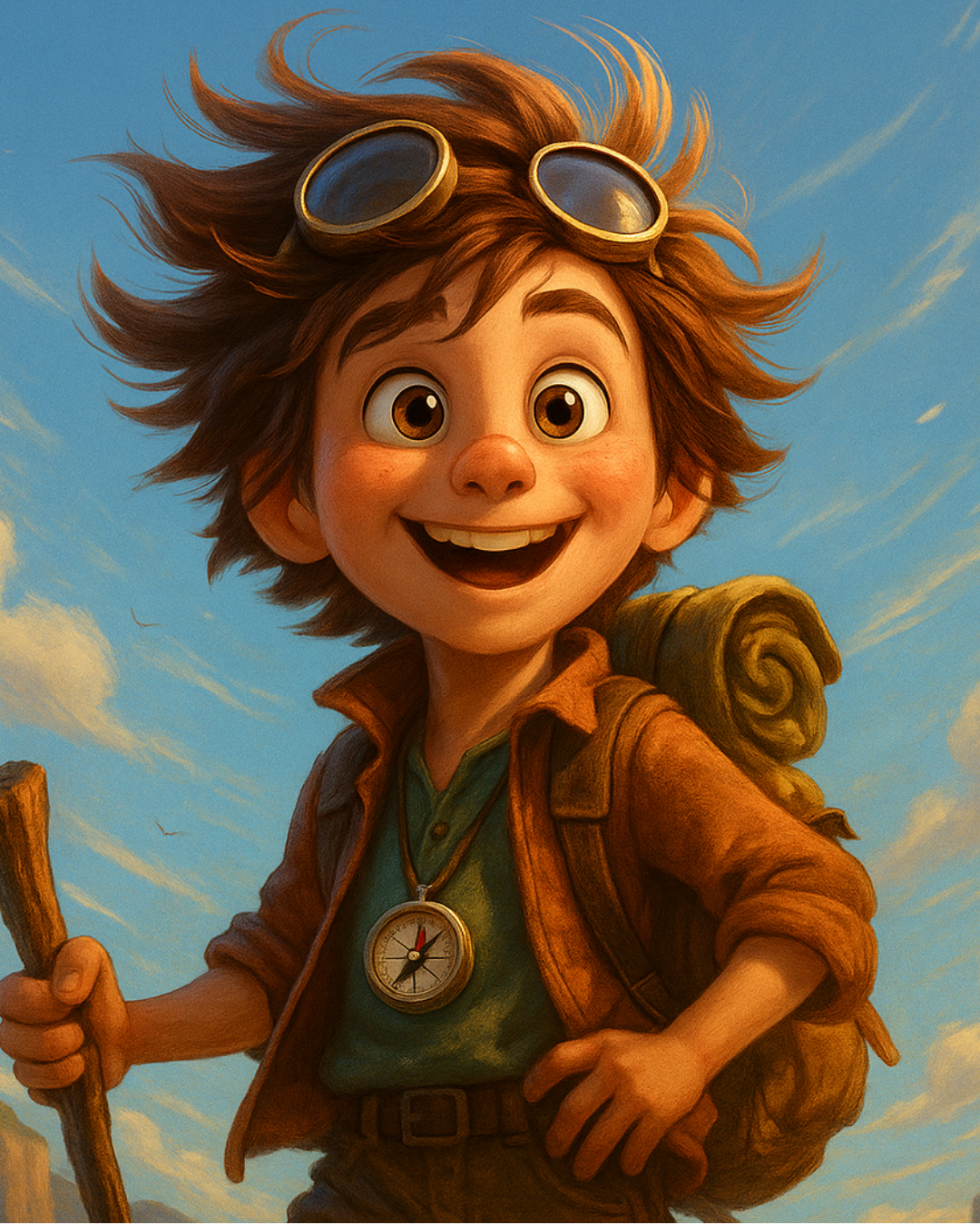
5. The Explorer
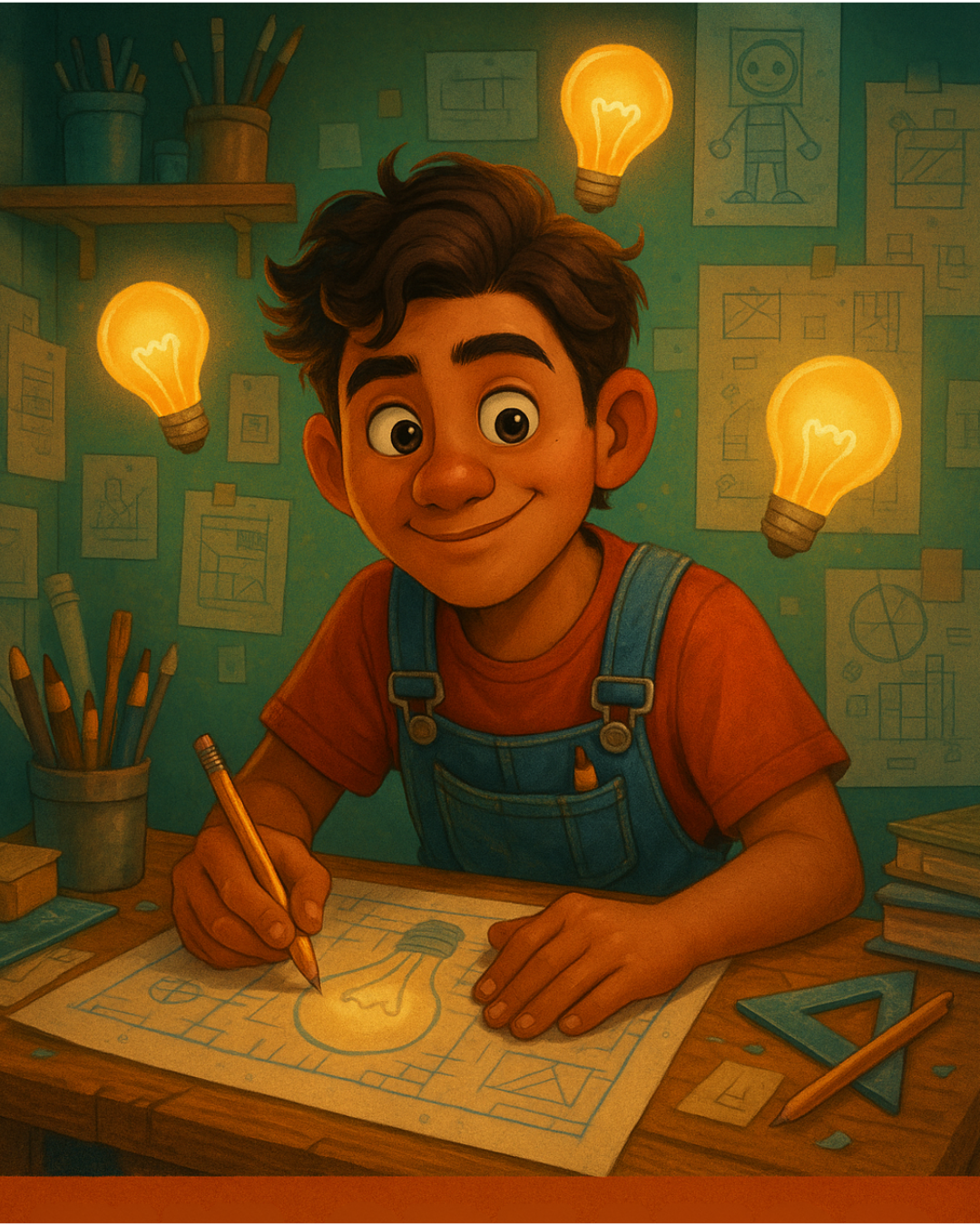
6. The Creator
7. The Ruler
Core Desire: Control, status, prosperity
Voice: Authoritative, confident, polished
Visuals: Secure, structured environments, serif fonts, deep shades
Strategy: Emphasize precision, quality, leadership in your domain
Examples: Rolex, Mercedes-Benz, IBM

8. The Magician
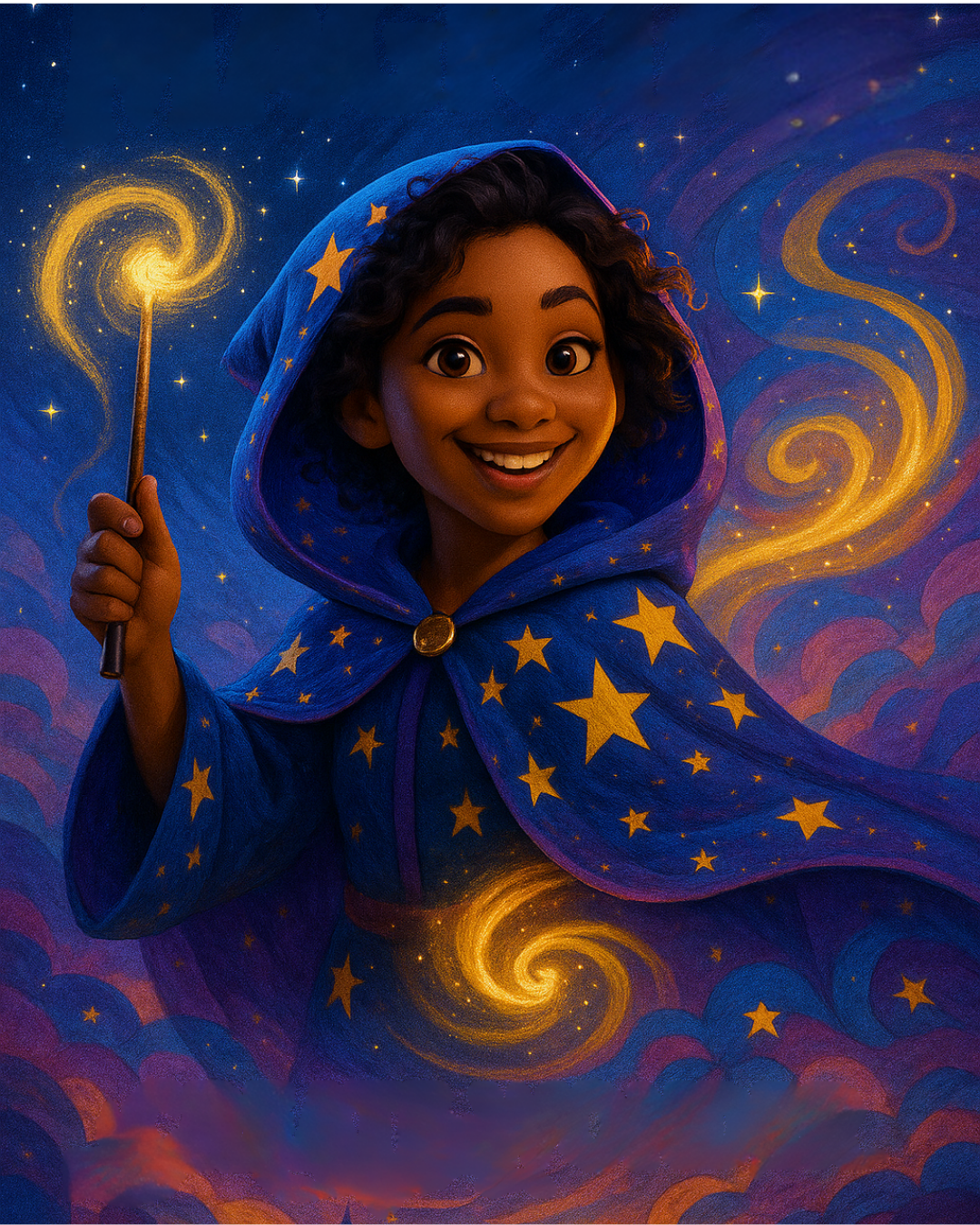
Core Desire: Transformation, mystery, possibility
Voice: Enchanting, visionary, inspiring
Visuals: Ethereal design, sparkle, dramatic contrast
Strategy: Tell transformation stories, showcase innovation as magic
Examples: Disney
9. The Lover

Core Desire: Intimacy, passion, pleasure
Voice: Sensual, warm, emotional
Visuals: Rich textures, romantic color palettes
Strategy: Focus on experience, aesthetics, emotional storytelling
Examples: Chanel, Haagen-Dazs
10. The Caregiver

Core Desire: Nurturing, service, compassion
Voice: Empathetic, supportive, comforting
Visuals: Soft lighting, caring interactions
Strategy: Highlight supportive stories, customer care, giving back
Examples: Johnson & Johnson
11. The Jester

Core Desire: Enjoyment, humor, living in the moment
Voice: Playful, witty, spontaneous
Visuals: Bright colors, dynamic content, lighthearted imagery
Strategy: Use playful engagement like memes, quizzes, humorous campaigns
Examples: M&M’s, Dr. Squatch
12. The Sage

Core Desire: Truth, wisdom, insight
Voice: Analytical, thoughtful, educational
Visuals: Clean lines, neutral tones, books, data visualizations
Strategy: Publish expert content, thought leadership, detailed guides
Examples: Google, Britannica, BBC
Practical Ways to Integrate this into Your Brand's Marketing
Identify Your Brand’s ArchetypeMatch your brand’s core values & audience desires with an archetype—this becomes your compass.
Apply Consistently Across TouchpointsFrom tone and design to influencer partnerships and campaign themes—make it archetype-aligned.
Use Hybrid Voices
To add nuance, combine a core archetype (70% brand voice) with an influencer archetype (30% brand voice).
e.g., Hero + Jester; Caregiver + SageCreate Archetype-Based Pillars
Messaging Pillar: “Empowering you to win every day” (Hero)
Content Series: “Behind-the-Scenes Innovations” (Creator)
Social Theme: “Kind Acts of the Week” (Caregiver)
Measure Resonance
Track engagement shifts after archetype-driven initiatives—do content, visuals, and partnerships drive deeper emotional connection?
But do brand archetypes actually work?
Carl Jung theorized archetypes are embedded in our collective unconscious—universal, instinctive patterns that shape narratives and brand perceptions.
According to marketing research, up to 95% of purchase decisions are subconscious—making archetype alignment a powerful advantage.
Brand archetypes act as psychological shortcuts that foster clarity, loyalty, and emotional resonance. Choose your archetype, live it boldly in messaging, visuals, and partnerships—and watch as your brand becomes not just seen, but felt.